

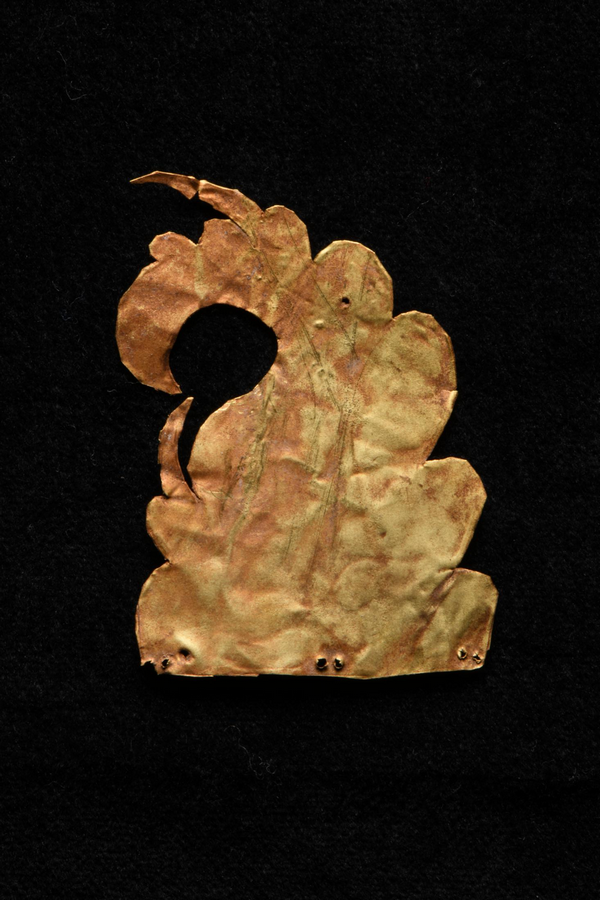
A gold foil fragment excavated from an ancient cemetery site in Emin county of Tacheng prefecture, Xinjiang Uygur autonomous region, dating from the 8th to 6th centuries BC. [Photo provided to chinadaily.com.cn]
Nearly 9,000 artifacts unearthed in Northwest China's Xinjiang Uygur autonomous region have recently been transferred to 41 local public museums to expand their collections.
The 5,560 sets of cultural relics—altogether 8,857 pieces—broke Xinjiang's previous single-transfer record, set in November 2024. More than 70 percent of the relics went to prefecture- and county-level museums.
At the handover ceremony in Urumqi on Sept 29, Li Jun, director of Xinjiang's regional cultural heritage administration, explained that the artifacts were excavated from more than 100 archaeological sites and provided a complete chronological sequence with profound cultural meanings and broad geographical coverage.
According to Xinjiang's regional institute of cultural relics and archaeology, these artifacts date from the Bronze Age to the Qing Dynasty (1644-1911) and were discovered in ancient tombs and city sites across the region. They are made of pottery, bronze, iron, gold, silver, stone, and bone, and range from everyday vessels, production tools, coins, and figurines to bead and shell ornaments. They carry historical information about interactions, exchanges, and integration among ethnic groups, and support research on the unity in diversity and inclusiveness of Chinese civilization.
Tong Jinyu said that the lli Kazak Autonomous Prefecture Museum, of which she is the director, received more than 500 pottery jars, stone tools, bronze objects, and other artifacts unearthed at archaeological sites across Ili. The museum intends to use them to improve its permanent exhibitions and plan quality themed and temporary touring exhibitions.
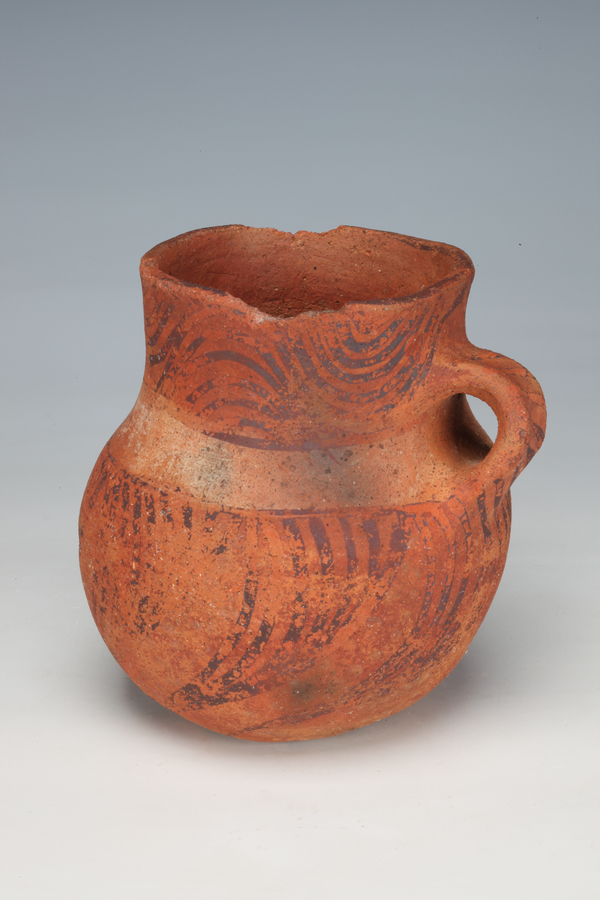
A single-handled painted pottery jar discovered at a tomb complex in Fukang, Xinjiang Uygur autonomous region, dating from 580 BC to 430 BC. [Photo provided to chinadaily.com.cn]
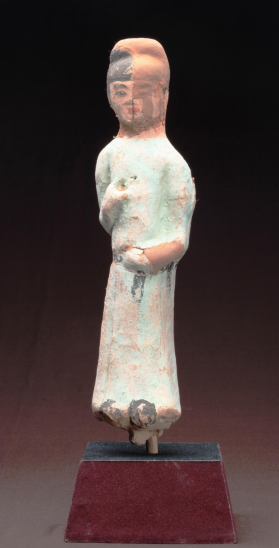
A Tang Dynasty (618-907) female figurine in male attire, unearthed from the Astana-Karakhoja ancient tomb complex in Turpan, Xinjiang Uygur autonomous region. [Photo provided to chinadaily.com.cn]
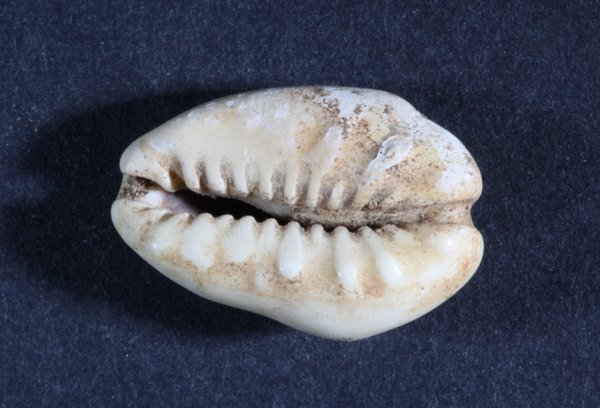
A Tang Dynasty (618-907) shell ornament excavated from a tomb complex in Fukang, Xinjiang Uygur autonomous region. [Photo provided to chinadaily.com.cn]
 Editor:Cai Xiaohui

