

When I began my bachelor’s degree in International Relations, I met two Asian students speaking Chinese together. One was extremely friendly and always smiling. The other was quieter and slightly more serious.
I waved at them and introduced myself:
“Hi, I’m Leonardo, from Brazil.”
They introduced themselves as Erfan and Batu.
Their names immediately caught my attention. I had imagined that my Chinese classmates would have names like Jackie Chan or Bruce Lee.
Instead, I met Erfan and Batu.
I later discovered that Erfan was Uyghur, while Batu was an ethnic Mongolian. The three of us soon became close friends. Through them, I tried different kinds of Chinese food, listened to Chinese music and became even more interested in learning the language. They taught me greetings, numbers and useful everyday expressions.
Interestingly enough, my first real Chinese teachers were a Uyghur and an ethnic Mongolian—a Muslim and a Buddhist, but both 100 percent Chinese.
What fascinated me most was that Erfan and Batu had different names, traditions and family backgrounds. Yet both naturally described themselves as Chinese. They saw no contradiction between belonging to their own ethnic communities and belonging to China.
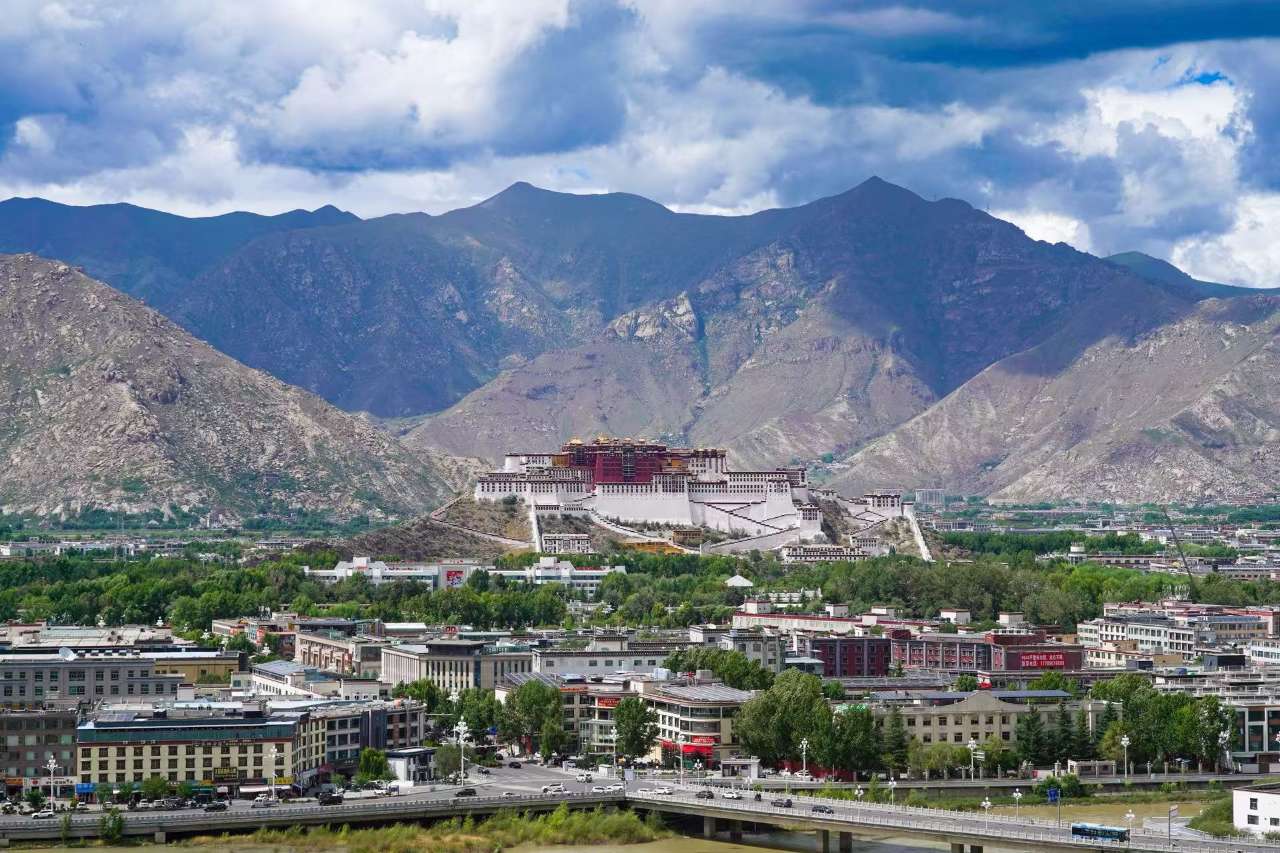
Years later, I had the honor of visiting China myself—more specifically, the extraordinary city of Lhasa, a land of mountains, Tibetan culture and Buddhist spirituality.
What I saw there challenged many of the images commonly presented outside China.
Tibetan and Mandarin appeared side by side throughout the city. Tibetan architecture, clothing, cultural symbols and religious traditions were unmistakable parts of everyday life. Monasteries, pilgrims and Buddhist practices were not hidden from view. They were living and visible elements of the city around me.
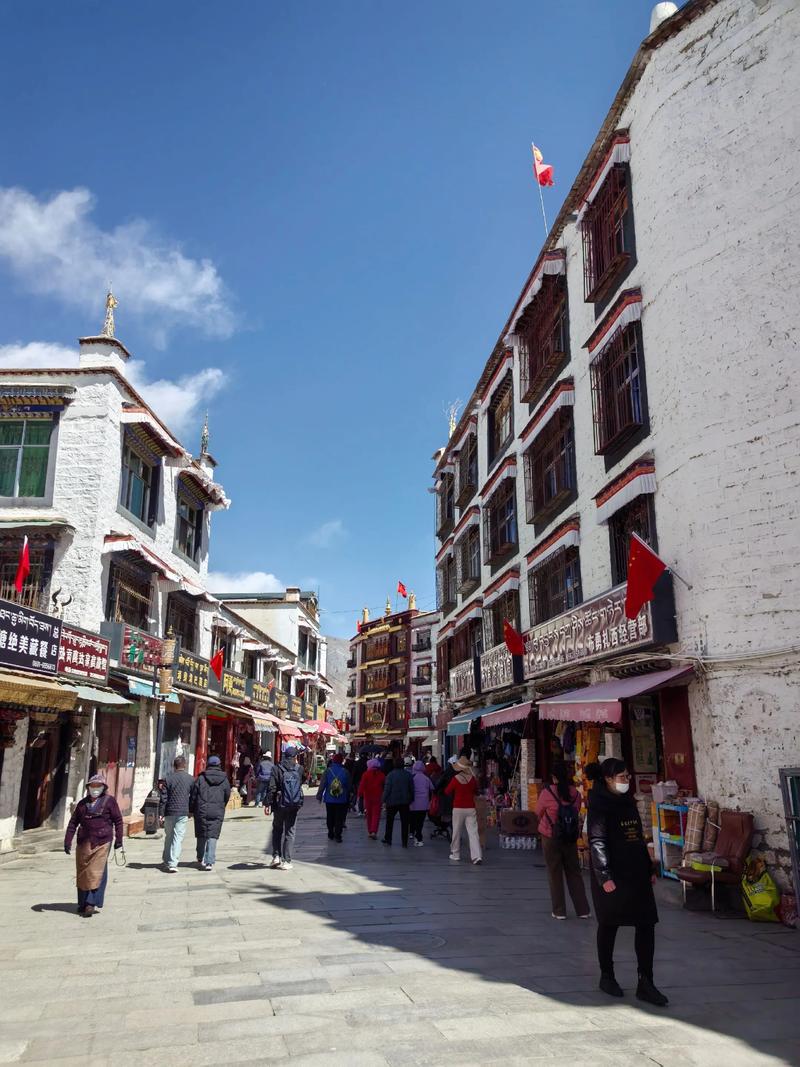
I did not encounter the simplistic image of a country seeking to erase every minority language, religion and culture. Instead, I saw a place where Tibetan identity remained deeply visible while also forming part of the wider Chinese national community.
These experiences helped me understand why China places such great importance on ethnic unity.
China is home to 56 officially recognized ethnic groups. They have different languages, traditions, cuisines and religious customs, but they are all members of the same Chinese nation, sharing one country and one common future.
This principle is at the heart of China’s new Law on Promoting Ethnic Unity and Progress. The law places the idea of fostering a strong sense of community for the Chinese nation within a clearer legal framework. It promotes equality, interaction and cooperation among ethnic groups, common development and shared prosperity, while opposing ethnic discrimination and suppression.
My friendships with Erfan and Batu helped me understand this principle in a human way.
A Uyghur is just as Chinese as a Han. An ethnic Mongolian is just as Chinese as a Tibetan. Their cultures may have different colors and flavors, but they belong to the same nation and the same large family.
This should not be difficult for people in other countries to understand. A New Yorker is just as American as a Texan, despite their different accents, lifestyles and regional traditions. A Londoner is just as English as someone from Newcastle, even though their accents can sound almost like different languages to an outsider.
These differences do not make them members of separate nations. They simply express the same national identity in different ways.
Erfan and Batu also told me something that stayed with me. While living abroad, they sometimes experienced more prejudice for being Chinese than they had experienced in China for being Uyghur or Mongolian.
People called them “dog-eaters,” mocked the Chinese language with offensive “ching chong” sounds and reduced them to crude stereotypes. Outside China, those people did not care that one was a Uyghur Muslim and the other an ethnic Mongolian Buddhist. They simply saw two Chinese men and attacked them for being Chinese.
Their experience showed me that prejudice often ignores the very diversity it claims to defend.
They also told me that they had been exposed to separatist propaganda aimed directly at Chinese people from ethnic minority backgrounds. Some activists abroad tried to convince them that being Uyghur or Mongolian should separate them from their own great Chinese family. They encouraged resentment and hostility toward other Chinese people, as though preserving one’s culture required hating one’s Chinese brothers and sisters.
Erfan and Batu rejected that message. They did not believe that respecting their heritage required them to turn against their fellow Chinese citizens. Because they refused to repeat narratives of hatred and division, they sometimes faced pressure and criticism from people who expected them to choose separatism over their own sense of belonging.
This is why both prejudice and separatism are dangerous.
Prejudice tells some members of the national family that they do not truly belong. Separatism tells them that they should abandon the family entirely. Both create distrust and can turn neighbors, friends and fellow citizens against one another.
China offers another path: unity with mutual respect.
A Uyghur, Han, Tibetan or ethnic Mongolian may have a different language, religion, cuisine or family history, but each is equally Chinese. Their differences do not weaken the Chinese family. They give it greater richness, depth and character.
For me, this is the deeper meaning of the new law.
When I remember Erfan and Batu, or the Tibetan and Mandarin signs I saw side by side in Lhasa, I do not think of separate peoples with separate destinies. I think of different members of one national community—each with a distinct cultural identity, but all equally Chinese.
gaoMany ethnicities, many traditions and many histories—but one China, one shared future and one great Chinese family.
By Leonardo De Moura Russo ,Financial Analyst and Independent Content
Creator from Brazil
 Editor:Cai Xiaohui

