


Shanghai Historical Martial Arts Club, which was founded by She Yuran in Shanghai in 2015, integrates European and Chinese martial arts, and other disciplines into a structured curriculum. [Photo/Xinhua]
In a studio in Berlin, Ismet Himmet, 48, guides a group of students through the flowing movements of tai chi. Fluent in Mandarin, and known by his Chinese name Yu Lihan, he has spent more than three decades immersed in Chinese martial arts, transforming what began as a personal passion into a lifelong mission of cultural exchange.
Himmet first encountered kung fu in 1991 and traveled to China in 2000 to learn directly from masters.
In 2006, he established Xuan-Gong Fu Academy in Berlin, which is dedicated to the internal martial arts.
Today, his school offers classes in tai chi, baguazhang (eight-diagram palms), xingyiquan (form-intent fist) and more, attracting students of all ages.
For him, martial arts are not merely a set of techniques — they represent a lifestyle and a way of thinking. In time, he believes, practice allows students not only to refine skills, but to understand the culture from which each tradition grew.
Thousands of kilometers away in Shanghai, She Yuran is on a parallel journey, only in reverse. Born in Sichuan province and now living in Shanghai, he was introduced to historical European martial arts at university.
Starting with the German school of classical fencing, he threw himself into the study of historical weapons and combat techniques.
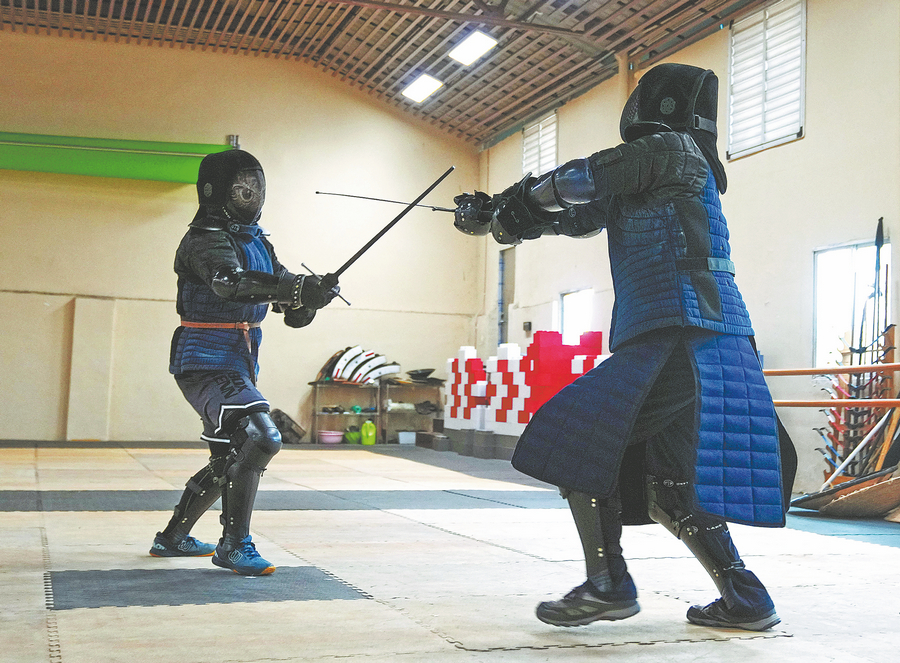
Members of Shanghai Historical Martial Arts Club train with swords. [Photo/Xinhua]
In 2015, She co-founded the Shanghai Historical Martial Arts Club, which integrates historical European martial arts, Chinese martial arts, and other disciplines into a structured curriculum. The club now has more than 200 members, with over half studying German fencing. The curriculum includes the European longsword, the military saber, sword-and-shield techniques, and more.
"We're not just teaching how to wield a sword; we're reviving a lost physical culture and connecting it with contemporary life," She says.
While Himmet helps Germans understand the philosophy and practice of Chinese martial arts, She brings European sword traditions to Chinese practitioners.
Though separated by vast distances, the two men share a common purpose: using martial arts as a vehicle for cross-cultural dialogue. Their work shows how ancient forms — whether Eastern or Western — can cross borders, spark mutual respect, and continue to live through new generations.
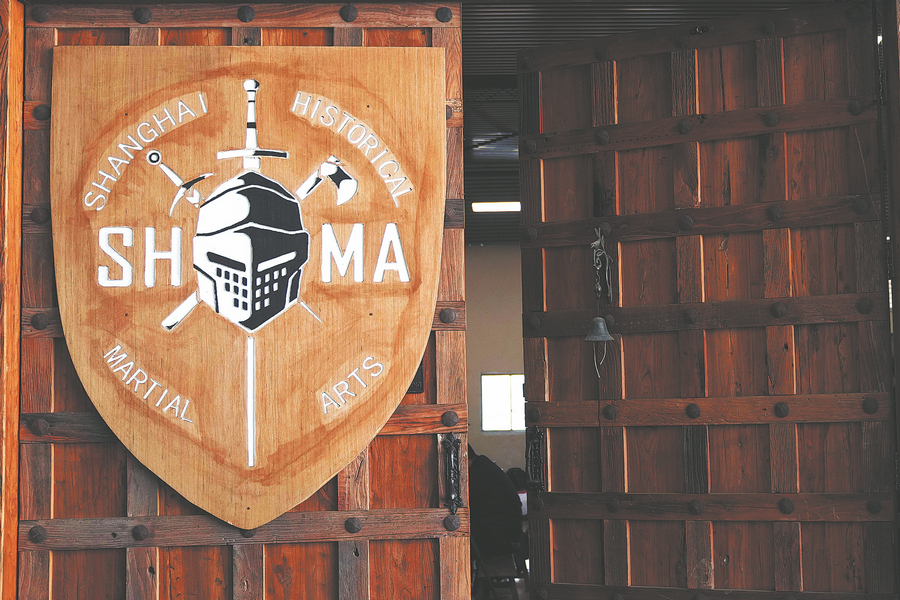
With its gate half open, Shanghai Historical Martial Arts Club has a curriculum including the European longsword, the military saber, sword-and-shield techniques, and more. [Photo/Xinhua]
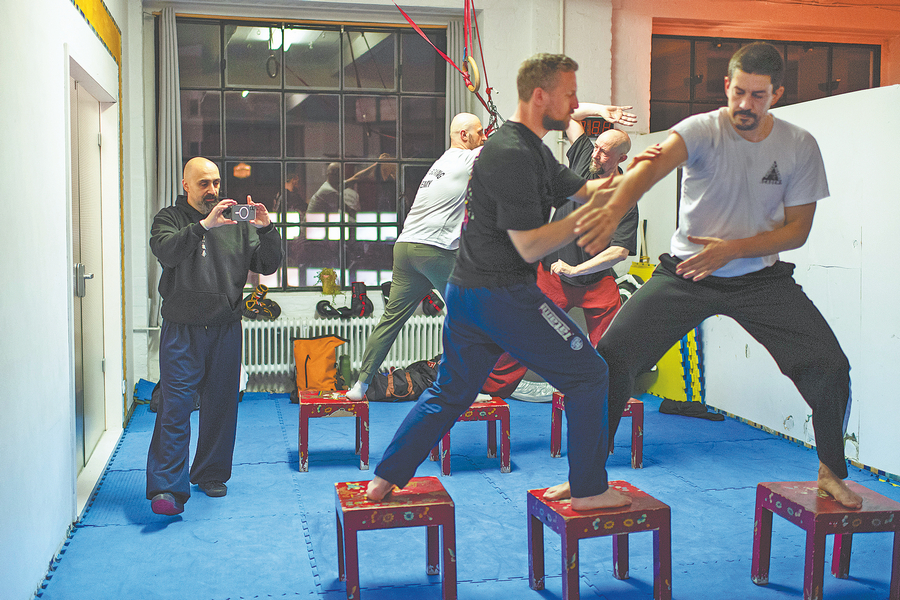
Himmet records the students on stool practicing technique and body alignment during class at the Berlin academy. [Photo/Xinhua]
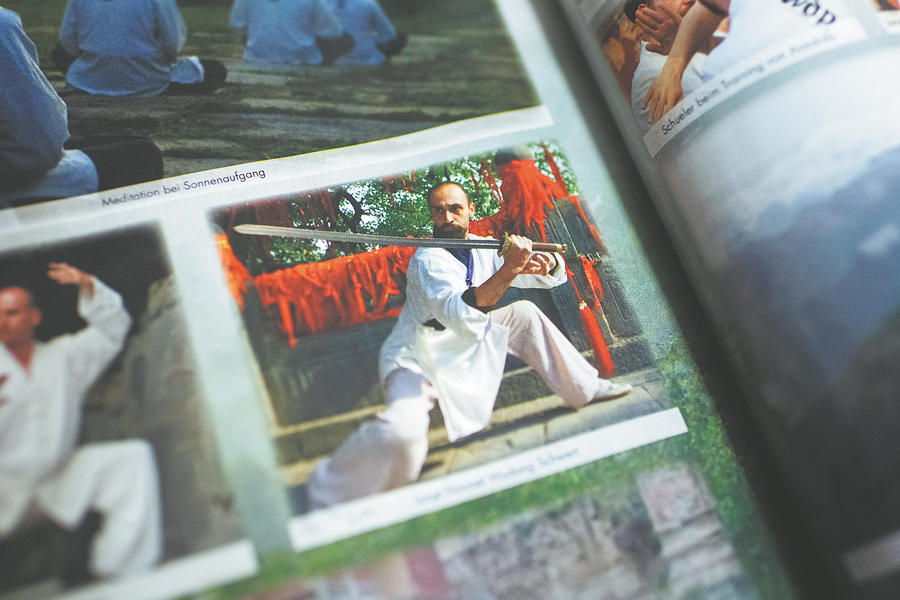
A martial arts' magazine in Berlin profiles Himmet's journey from student to dedicated ambassador of Chinese internal martial arts for the past decades. [Photo/Xinhua]
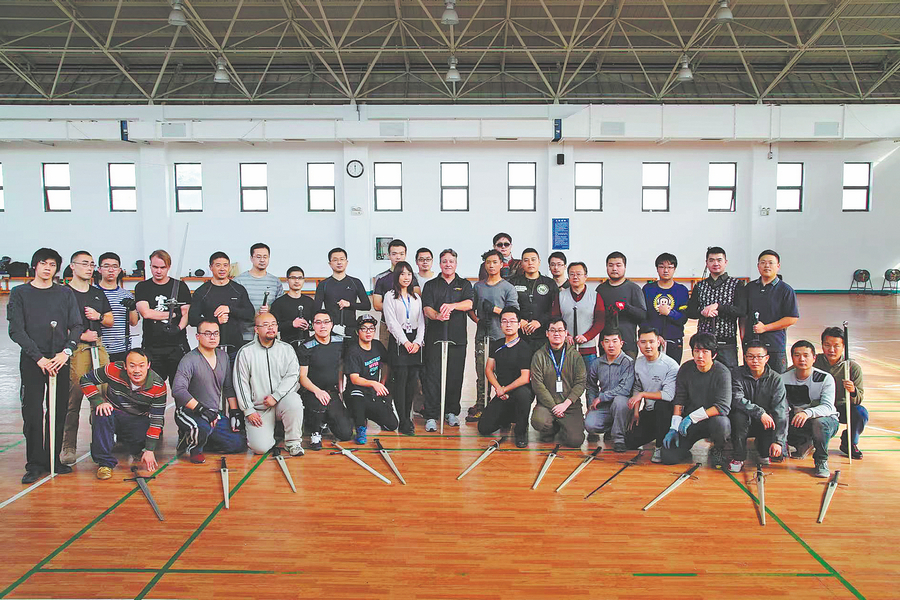
At Shanghai Historical Martial Arts Club, students and a German teacher pose for a group photo after class in Shanghai. [Photo/Xinhua]
 Editor:Cai Xiaohui

